Now available: the Habsburg Empire. Ottoman Empire coming soon!

The history of Italians living in Bosnia and Herzegovina since the late 19th century

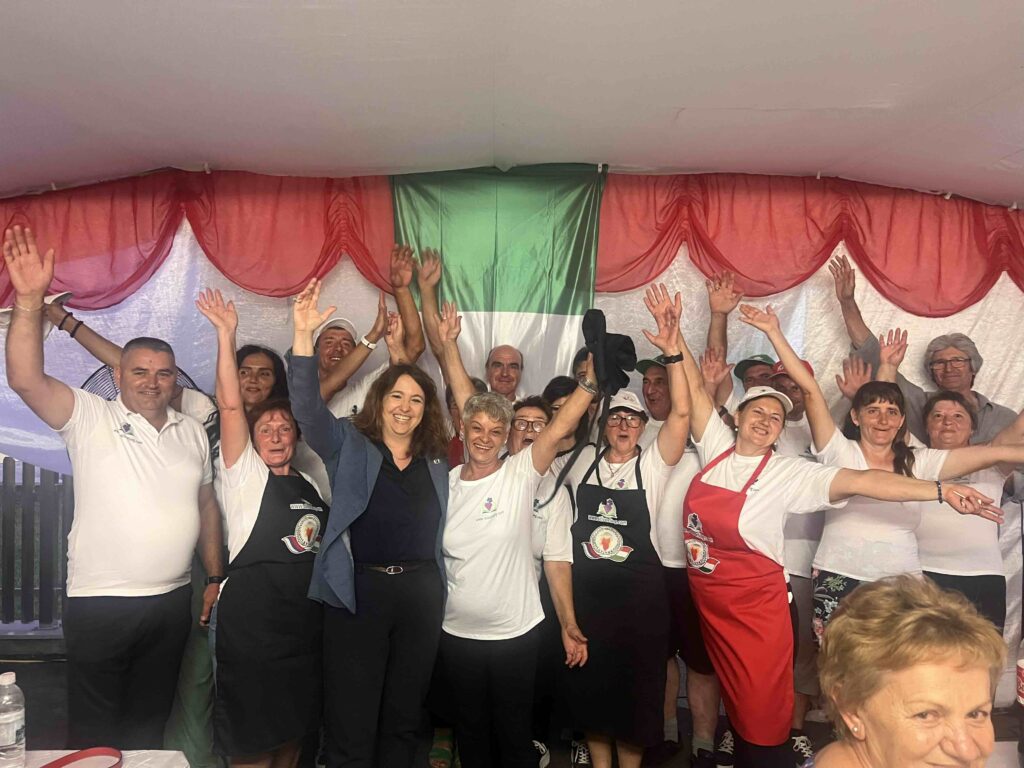
The community of Štivor © Štivorling

In Štivor, in northern Bosnia and Herzegovina, a community of Italians from Trentino settled in the late 19th century. They speak a unique dialect, Stivoroto, which a group of linguists has decided to study as a way to also recount the history and traditions of this small community. We interviewed Rossella Montibeler and Marija Runić from the University of Banja Luka regarding their project Štivorling.

How does the story of the Italians of Štivor begin?

The original community, numbering about a hundred people, arrived in what is now Bosnia and Herzegovina around 1882. At first, they did not settle in Štivor, but in more isolated areas near the woods; later, they gradually moved to what is now Štivor.

They came from several towns in the Sugana Valley (Roncegno, Caldonazzo, Levico, Mattarello…) that had been hit the previous year by a severe flood of the Brenta River, which had driven many people to emigrate, even to South America. Among those who arrived in Bosnia and Herzegovina, which had been administered by the Habsburg Empire since 1878, were also families who were supposed to go to Argentina but were swindled by the people who were supposed to take them there. It was the Habsburg authorities themselves who offered them some land in this area, near Prnjavor, with the intention of populating this region that had recently been taken from Ottoman rule. It was a common practice, even in the Tuzla area or in what is now Croatian Slavonia.

How does the community evolve over time?

It is difficult to speak in statistical terms. After their arrival in the late 19th century, it is estimated that by the 1960s and 1970s, the community numbered around 500 members, but this is only an estimate, because in the census these people did not identify as Italian, but often as Croatian because they were Catholic. The 1990s marked a turning point. Due to the war in the former Yugoslavia, many families left, and the community was halved in size. During that period, moreover, members of the community received Italian citizenship, and many people moved to Trentino. Today, only a few dozen people remain, although the latest census, from 2013, is unreliable because it groups all those who do not identify as Serbian, Croatian, or Bosniak into a single category, “others” (ostali). Our estimate is that there are currently about 60–70 year-round residents, while the numbers double or triple around mid-August and Christmas, when the diaspora returns for visits.

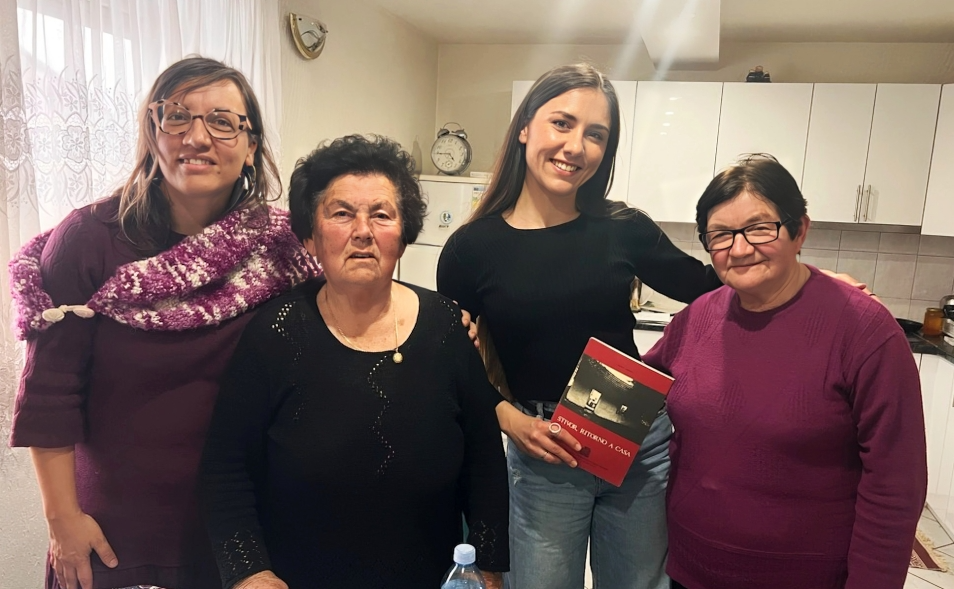
Maria, Mira, Rossella e Regina a Štivor. Credit: Štivorling

How did your research project get started?

The project began in 2023. The initial impetus came from Pavel Falaleev, a linguist at the University of Helsinki who chose to analyze the Štivor dialect, known as Stivoroto. He contacted Marija Runić and began collecting the first data. After the initial interviews, we decided to collect words and created a website to share videos where you can hear the language spoken—1–2-minute clips featuring short stories—and we are also developing a dictionary, both in print and digital formats. For example, we have the recipe for sarma, made with barley instead of rice.

What kind of dialect are we talking about?

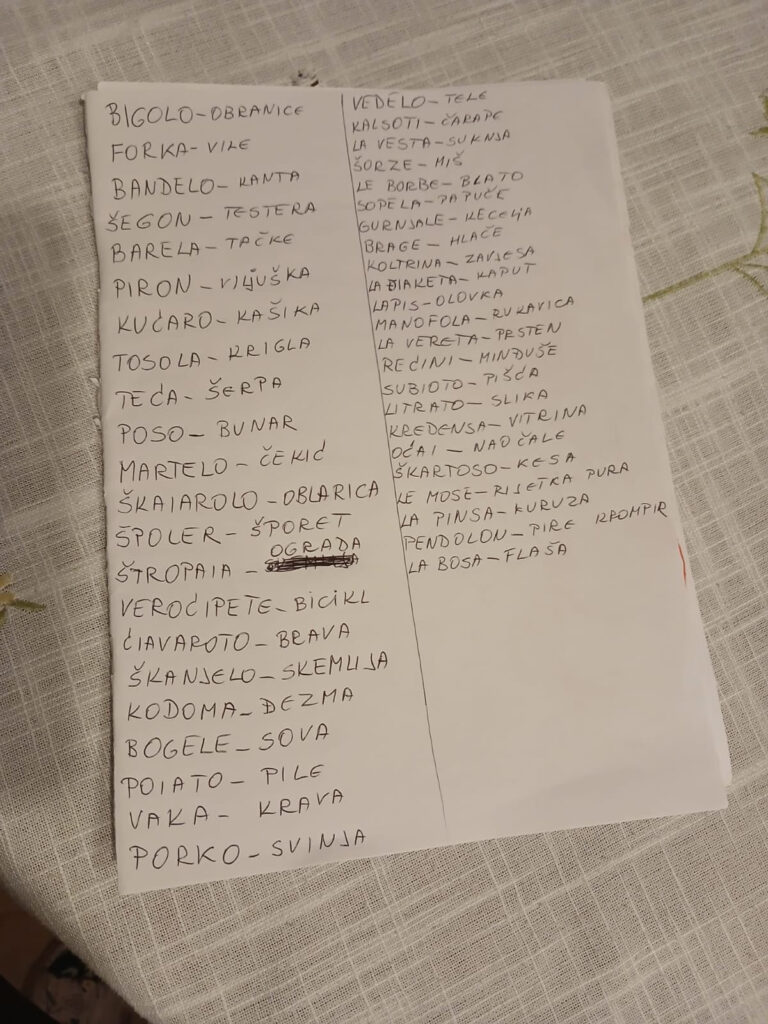
Stivoroto is a Venetian dialect spoken in Trentino, but it is interesting to note that the inhabitants of Štivor were unaware that it was a dialect; they thought it was a mixture of Italian and Serbian. After World War II, in fact, the inhabitants of Štivor became Yugoslav citizens, and starting in the 1960s, they began studying Italian in school. For a long time, teachers forbade children from speaking the dialect, and the children approached Italian as a foreign language. Stivoroto is an archaic dialect that has not evolved like the rest of the Venetian dialect of Trentino. In some ways, it has remained frozen in time since 1880. Over time, however, it has been enriched by Serbian influences, making it a unique case. For example, they say kolace instead of the Italian “dolci” (sweets) and torbeta (instead of “borsetta”, handbag)….

Stivoroto-Serbian dictionnary © Štivorling

Is studying a dialect also a way to tell the story of a community?

Exactly. We’re not giving up on documenting the dialect, but our main goal is to spread knowledge. This is also for the community itself, as a way to thank those who help us understand this language. The digital archive allows us to take this research beyond the academic world. It’s a bit of a tribute to this language and to the people who still speak it. The dialect is also a way to connect with those who have left Štivor but still remember a few words or expressions.

Today, however, the stivoroto is disappearing. Why?

There are very few speakers left—about ten people in their 70s and 80s. In short, the dialect is at risk of disappearing quickly. Patriarchy has, in a way, accelerated the disappearance of Stivoroto, because over time, Stivorani men who married Serbian women left the management of the household and the children to their wives, and the children were inevitably raised speaking Serbo-Croatian. At school, it was standard Italian that was taught, often discouraging the use of dialect.

If someone wanted to visit Štivor, when would they find it most lively?

The Feast of St. John, at the end of June, is a time when many people gather, including Stivorani living abroad.

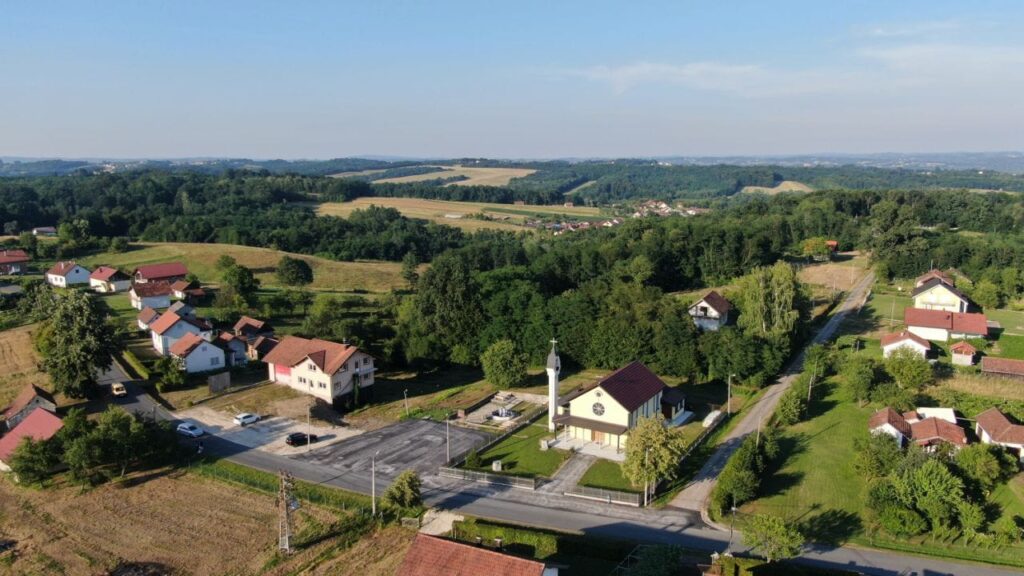
Štivor © Štivorling

Like what you read? Every month we send stories like this one — from countries that no longer exist. Subscribe to our newsletter and get a free sample chapter of our Republic of Venice guide.