Five centuries of Ottoman rule left Albania with far more than a few mosques and a handful of Turkish words: they reshaped the country’s religious make-up and, by way of contrast, the very idea of an Albanian nation. We discussed all this with Artan Puto, professor of Albanian history at the University of Tirana.
Was Albanian national identity built in opposition to the Ottoman period, or in continuity with it? Or somewhere between the two?
During the Albanian National Movement (late nineteenth to early twentieth century), Albanian national identity aimed to unite different religious communities, since Albanians were divided into Muslims, Orthodox and Catholics. For this reason, the ideologues of Albanian nationalism emphasised those cultural traits that held these communities together: a common language and a common origin.
At the same time, in the late nineteenth century, as the Ottoman Empire was showing clear signs of disintegration, the main concern of Albanian nationalist intellectuals was to present the Albanian people — a majority-Muslim people — as compatible with a Europe that was then conceived of as a Christian continent. To this end, they developed the argument of a liberal Albanian Islam, distinct from that of the Ottoman Turks, and the argument of peaceful coexistence among the different religions present among Albanians.
Unlike the national movements of other Balkan peoples, the Albanian National Movement was also characterised by the fact that it was driven primarily by the continuing weakening of the Ottoman Empire and by the fear that, should the Empire collapse, Albanian lands might be divided up among the new Christian Balkan states. For this reason, the Ottoman Empire was long regarded as a temporary refuge against Balkan nationalisms.
After 1912, the year of Albania’s independence from the Ottoman Empire, the discourse on national identity began to be articulated in opposition to the Ottoman Empire, treating the Ottoman period as one of “occupation”. In reality, a good part of Albania’s Muslims had been integrated into the Ottoman system of government for centuries.
Here we are also faced with an apparently “paradoxical” situation: during the period of independence (1912-1939), although the Ottoman Empire was beginning to be seen as responsible for Albania’s backwardness, Mustafa Kemal Atatürk’s Turkey was nonetheless regarded as a model of progress. This was partly due to the fact that a good part of the political elite of the new independent Albanian state had been educated in Ottoman schools and trained in the Ottoman administration.
How do Albanians look at the Ottoman period today?
Today the Ottoman period is still treated mainly as a dark age, as a factor that separated Albanian history from the history of Europe. That is, as a period in which the East interrupted the “natural” European path of the Albanians in the Middle Ages.
This perception was consolidated above all during the communist period (1944-1990), when historical scholarship was strongly influenced by a nationalist spirit and by the idea that only the socialist order would free the country from centuries of backwardness, for which the Ottoman Empire was chiefly to blame.
After 1990, that is after the fall of the communist system, in a context of freedom of thought, attempts were made to revise this thesis, to move beyond the idea of an “Ottoman occupation” and to consider the five Ottoman centuries as a period of “political and cultural domination”, during which Albanians played their own part as one of the important elements of Ottoman power in the Balkans.
What, in your view, is the most interesting and perhaps unexpected legacy of the Ottoman period in Albania?
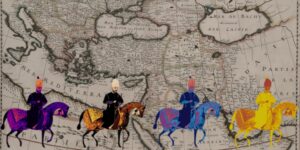
The most important legacy is the religious composition of the Albanians. Until the fifteenth century, Albanians were divided between Orthodox in the south and Catholics in the north. With the arrival of the Ottomans in the fifteenth century, a new religion was also introduced: Islam. Over time, most Albanians converted to Islam and became integrated into the political and economic system of the Ottoman Empire.
The division of Albanians among three religions is, on the other hand, also a significant cultural asset. Through Islam, Albanians were also exposed to the culture of the East: to the influences of Turkish-Ottoman, Arab and Persian culture. Albania is a small country, but its geographical position, as a bridge between East and West with their respective cultural influences, has made Albanian cultural heritage richer.
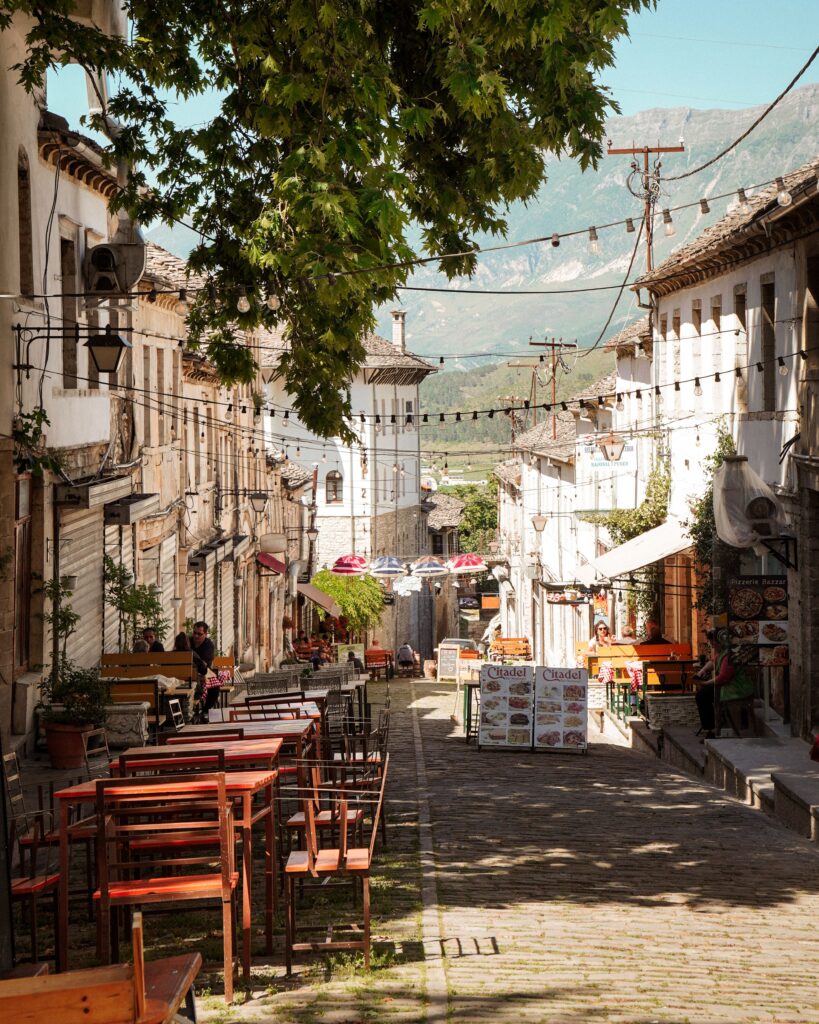
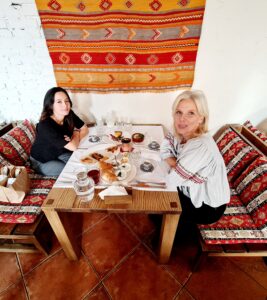
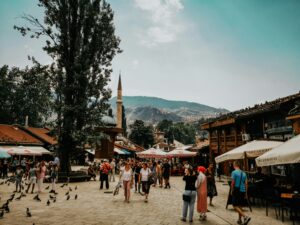
Ottoman cultural influences can be seen in the traditions of urban life, in architecture, in cuisine, in music — and in the fact that political relations between Albania and Turkey have always been friendly, across different historical periods and political systems.
On a hypothetical journey through Ottoman Albania, what would you suggest visiting?
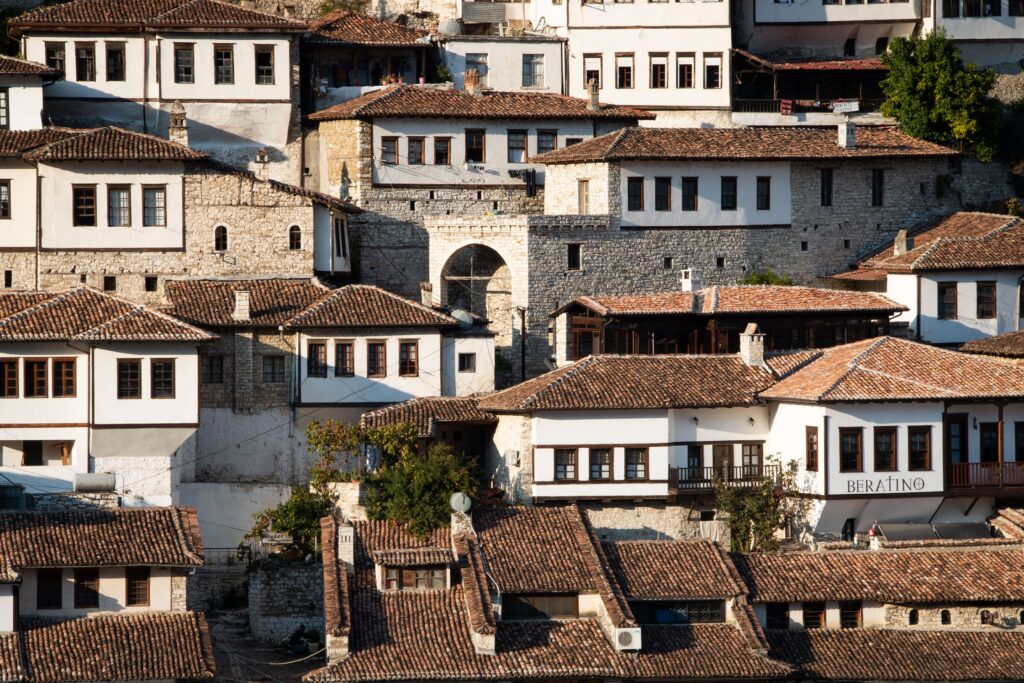
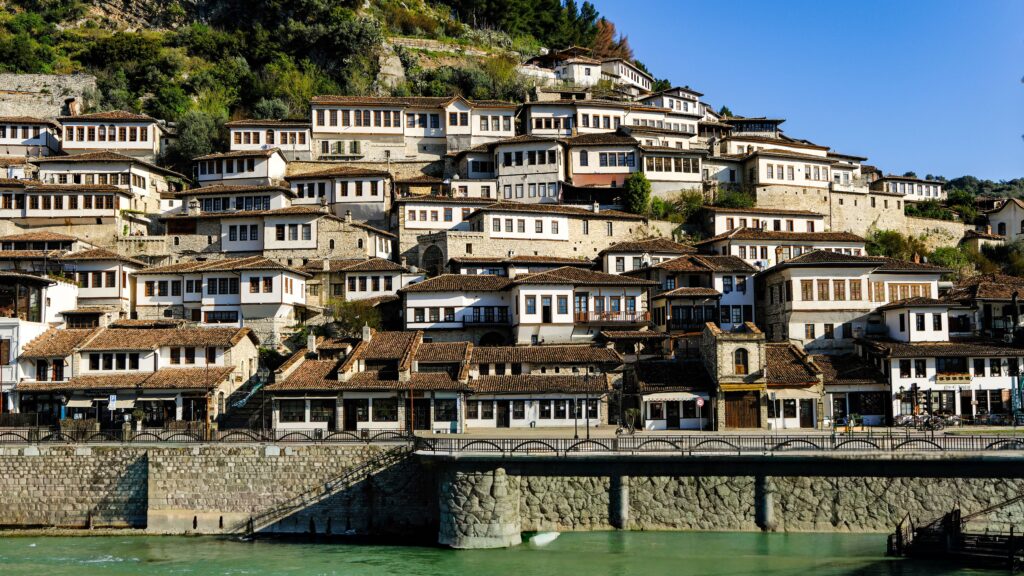
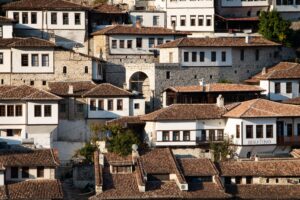
I would suggest visiting Berat and Gjirokastra, two cities listed as UNESCO cultural heritage sites, where you can appreciate the architecture, the cuisine and the cultural monuments, both Christian and Muslim. The coexistence of Christian cultural monuments alongside Muslim ones is itself part of the legacy of the long Ottoman period.