Now available: the Habsburg Empire. Ottoman Empire coming soon!

The history of Italians living in Bosnia and Herzegovina since the late 19th century
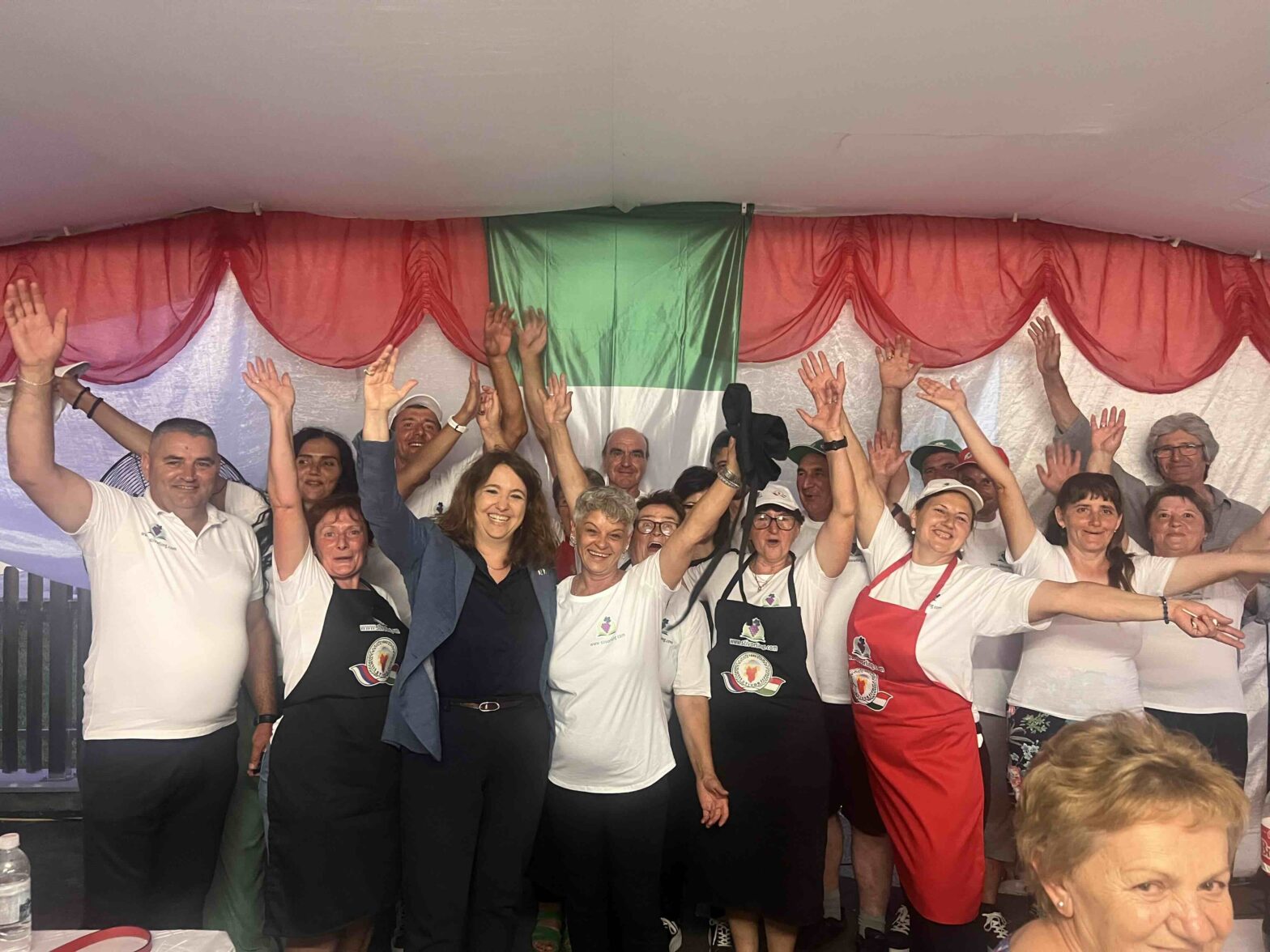
The community of Štivor © Štivorling

In Štivor, in northern Bosnia and Herzegovina, a community of Italians from Trentino settled in the late 19th century. They speak a unique dialect, Stivoroto, which a group of linguists has decided to study as a way to also recount the history and traditions of this small community. We interviewed Rossella Montibeler and Marija Runić… Continue reading The history of Italians living in Bosnia and Herzegovina since the late 19th century

Bečka škola – the Croatian comedy series that flirts with nostalgia for Austria-Hungary

Bečka škola © Bečka škola

“Bečka škola” is a Croatian expression that literally means “Vienna school” and refers to a well-educated, refined person—someone who, in a sense, has been schooled in Vienna. For the past few weeks, however, “Bečka škola” has also been the title of a comedy series, currently available only on social media, which has been enjoying remarkable… Continue reading Bečka škola – the Croatian comedy series that flirts with nostalgia for Austria-Hungary

The Future of Extinguished Countries…According to You!

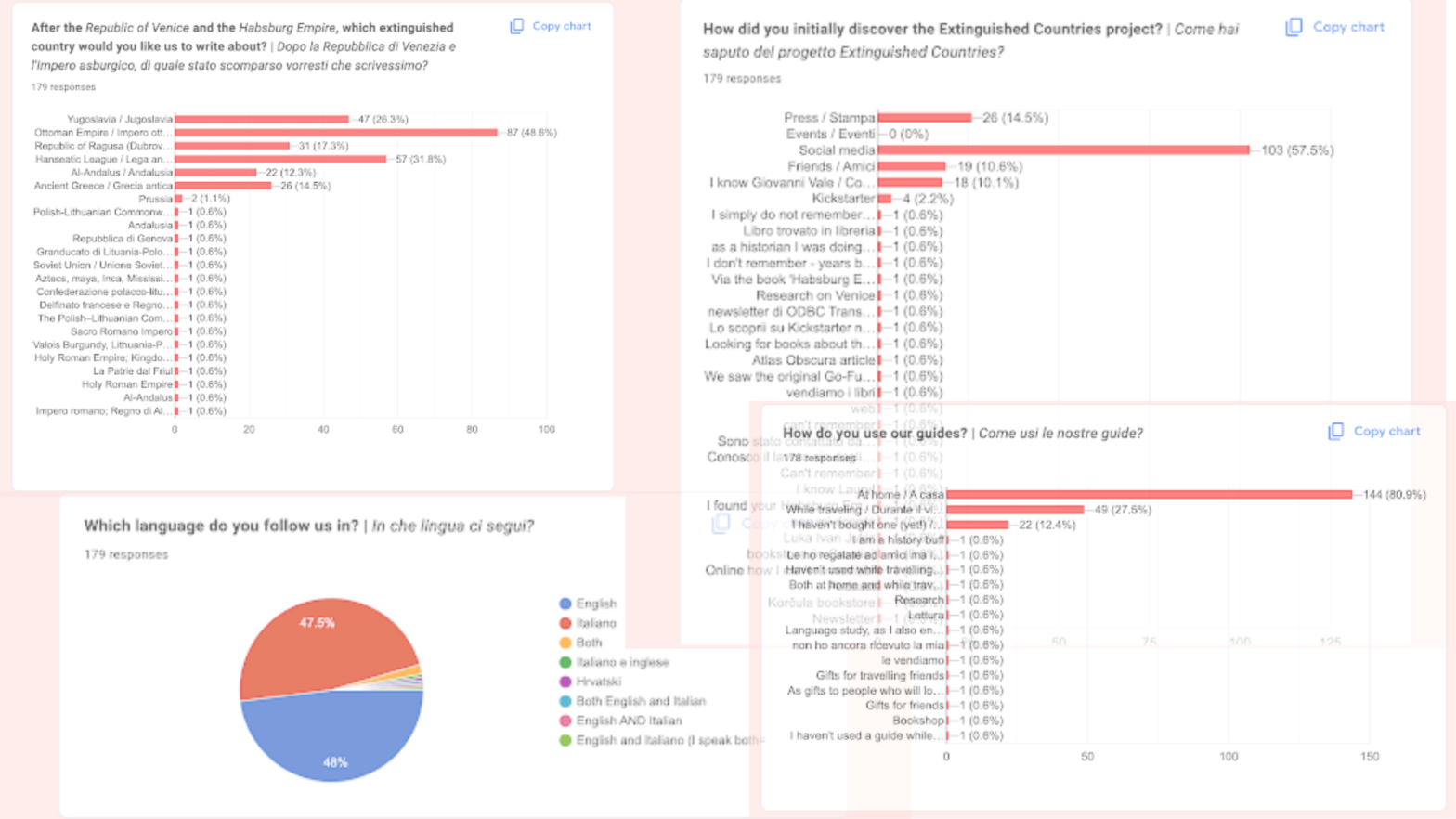
A few months ago, we sent out a survey to ask what you thought about the future of Extinguished Countries.  Over the years, this project has grown from a dream to a publishing house with two books, merchandise, and a thriving international community active online and offline. As we continue to grow further, it feels… Continue reading The Future of Extinguished Countries…According to You!

Vienna’s lesser-known imperial past

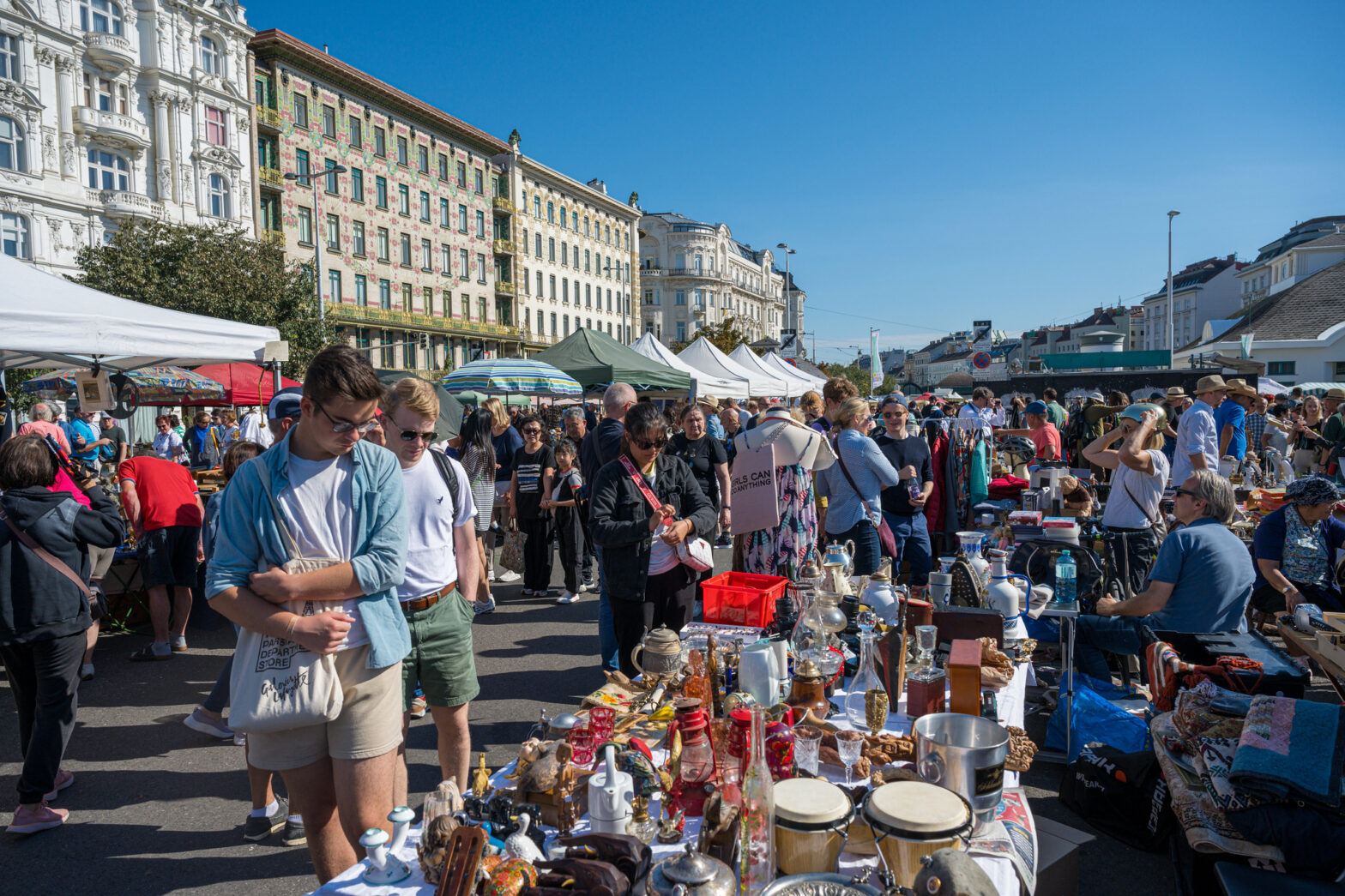
Flea market - Naschmarkt, Vienna – By Sandor Somkuti (CC BY-SA 2.0)

Between 1869 and 1910, the population of Vienna grew from 630,000 to over 2 million. The Austrian capital was then the centre of a vast multi-ethnic empire that now encompasses 13 European states. As such, the city is home to the palaces of power, the famous Hofburg complex (now the residence of the Austrian President)… Continue reading Vienna’s lesser-known imperial past

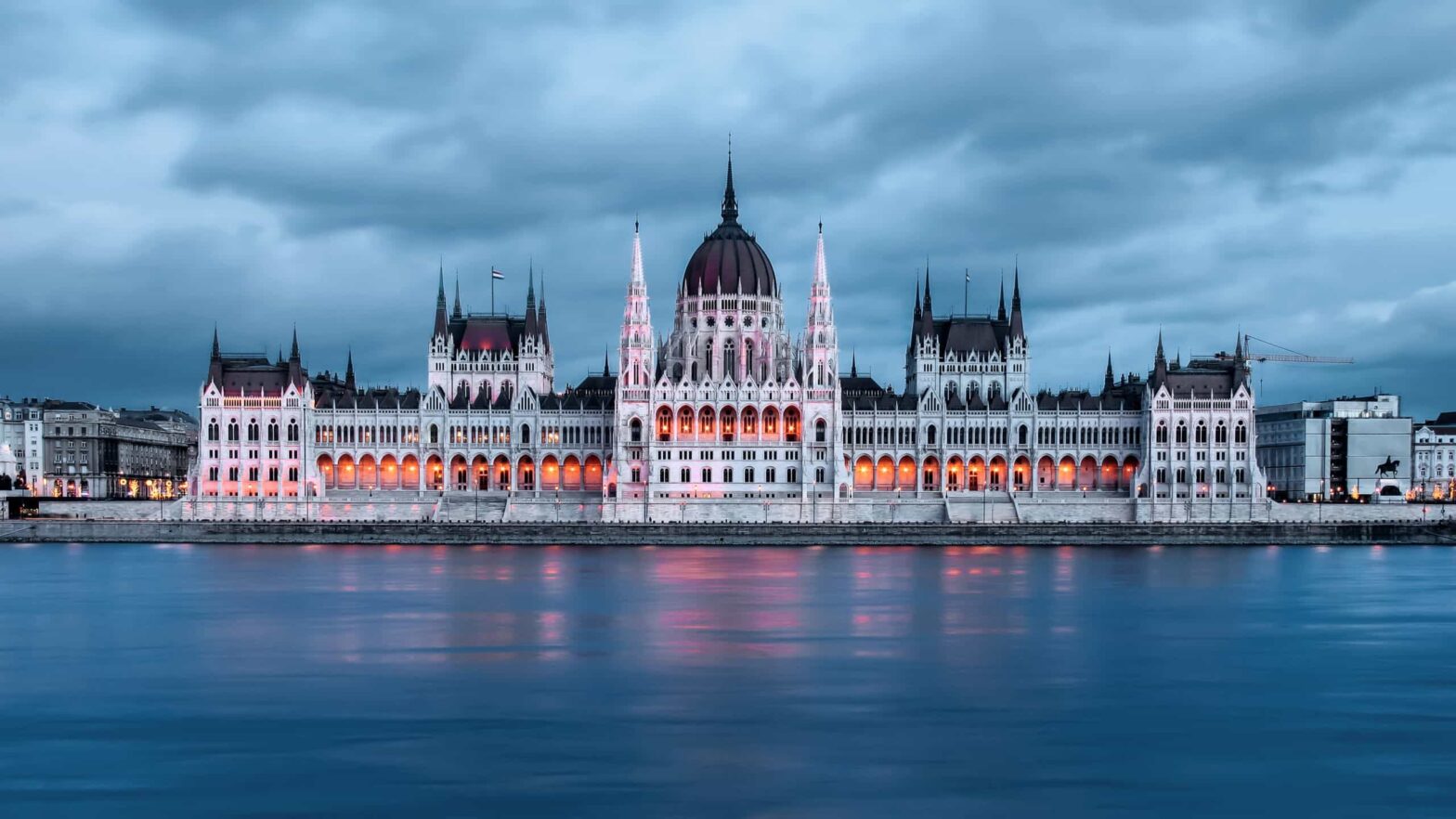
Hungary’s view of the Habsburg Empire

Hungary has a peculiar relationship with the Habsburg Empire. It seems to distance itself from it, as if it had not really been a part of it. Differences made, this relationship is sometimes reminiscent of the difficult one that exists today between Hungary and the European Union. We asked Gabor Egry, a historian and director-general… Continue reading Hungary’s view of the Habsburg Empire

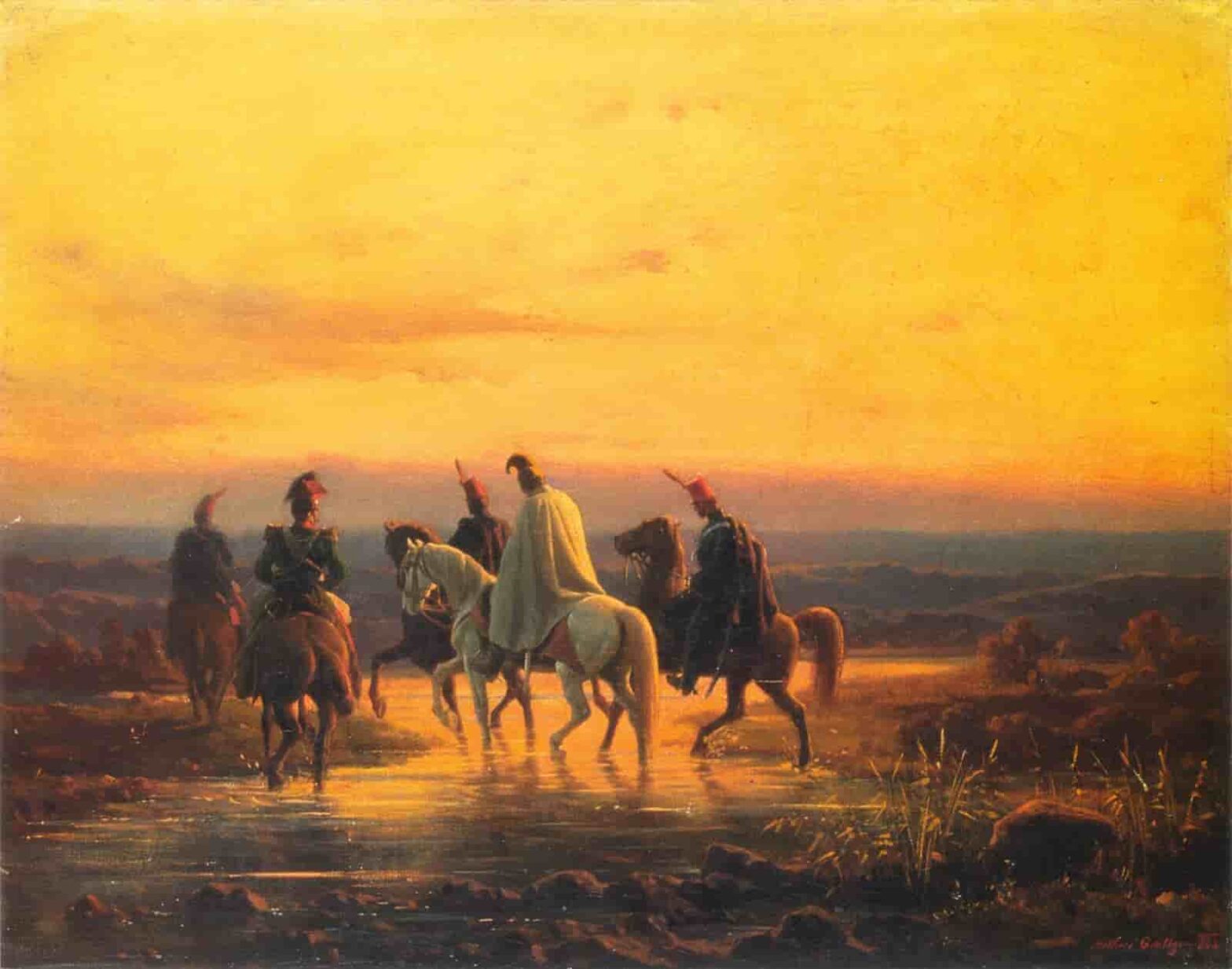
Artur Grottger: between art, political engagement and love story

Artur Grottger was one of the most prominent Polish Romantic painters. He was born in 1837 in Ottyniowice in Eastern Galicia (now Otynevychi, Ukraine), and despite his very short life (he died at 30 years old in 1867), he became one of the most prominent Polish artists of the 19th century. He lived during the… Continue reading Artur Grottger: between art, political engagement and love story

Liechtenstein and the Habsburg Empire

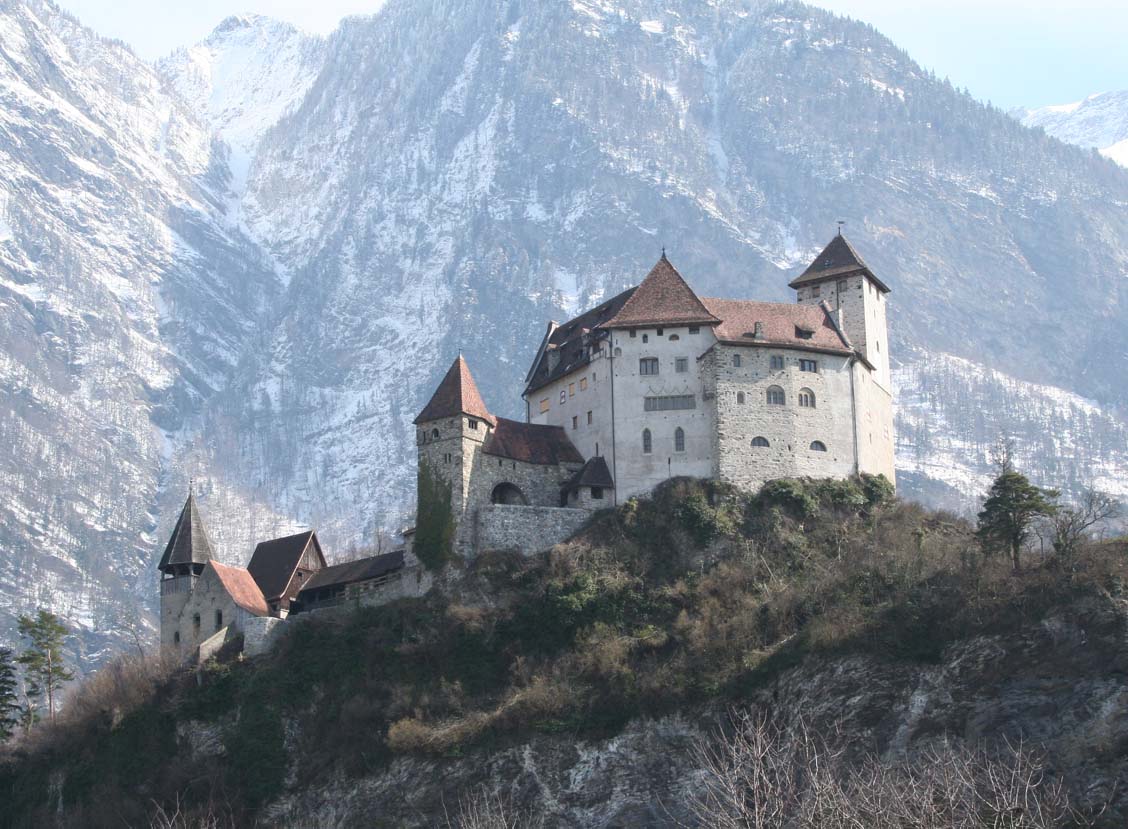
Gutenberg Castle in Balzers By Adrian Michael - Own work, CC BY-SA 3.0

Nestled between Switzerland and Austria, Liechtenstein had a special relationship with the Habsburg Empire. It was not part of it, but its rulers lived in Vienna from 1719 until 1938. In the 19th century the principality adopted many Austrian laws, introduced the Austro-Hungarian Gulden as its official currency and signed a customs treaty with the… Continue reading Liechtenstein and the Habsburg Empire

A special relationship between Austria and the Western Balkans?

Di Peter Burgstaller/ Diplomatische Akademie Wien - Opera propria, CC BY-SA 3.0

For centuries Slovenia, parts of Croatia, Serbia, and Montenegro were part of the Habsburg Empire. Bosnia and Herzegovina was administered by Vienna for several decades between the end of the 19th century and World War I. What remains of these historical ties in Austrian foreign policy today? We discussed this with Florian Bieber, director of… Continue reading A special relationship between Austria and the Western Balkans?

The Swiss roots of the Habsburg family

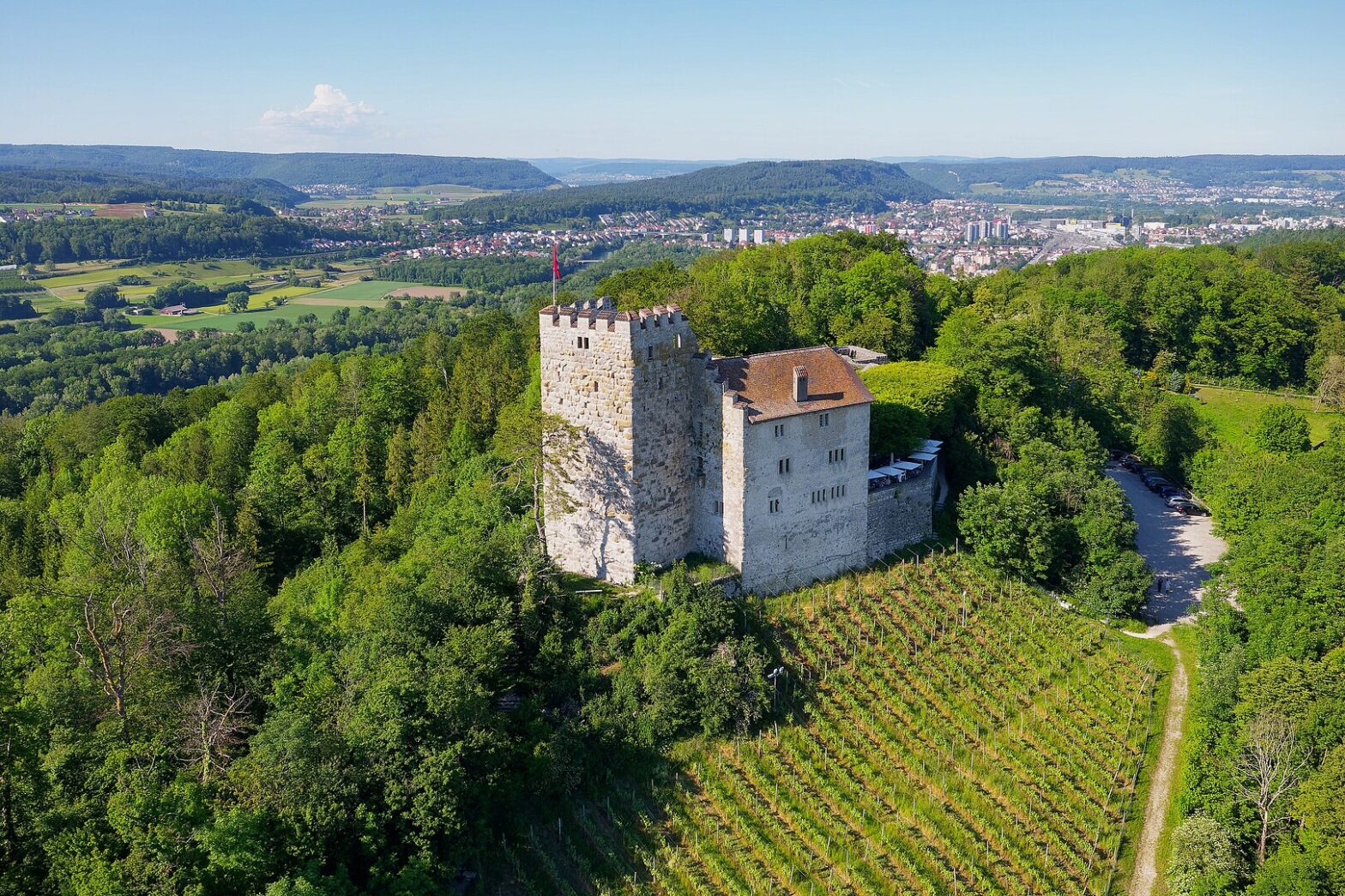
Habsburg Castle Aargau By Freaktalius - Own work, CC BY-SA 4.0

The history of the Habsburgs has its roots not in Austria, as one might think, but in neighbouring Switzerland. It is here in fact – and more precisely in the canton of Aargau – that the castle built in the 11th century by Radbod of Habsburg, who is considered the founder of the lineage, is… Continue reading The Swiss roots of the Habsburg family

The Habsburg origins of the kerosene lamp

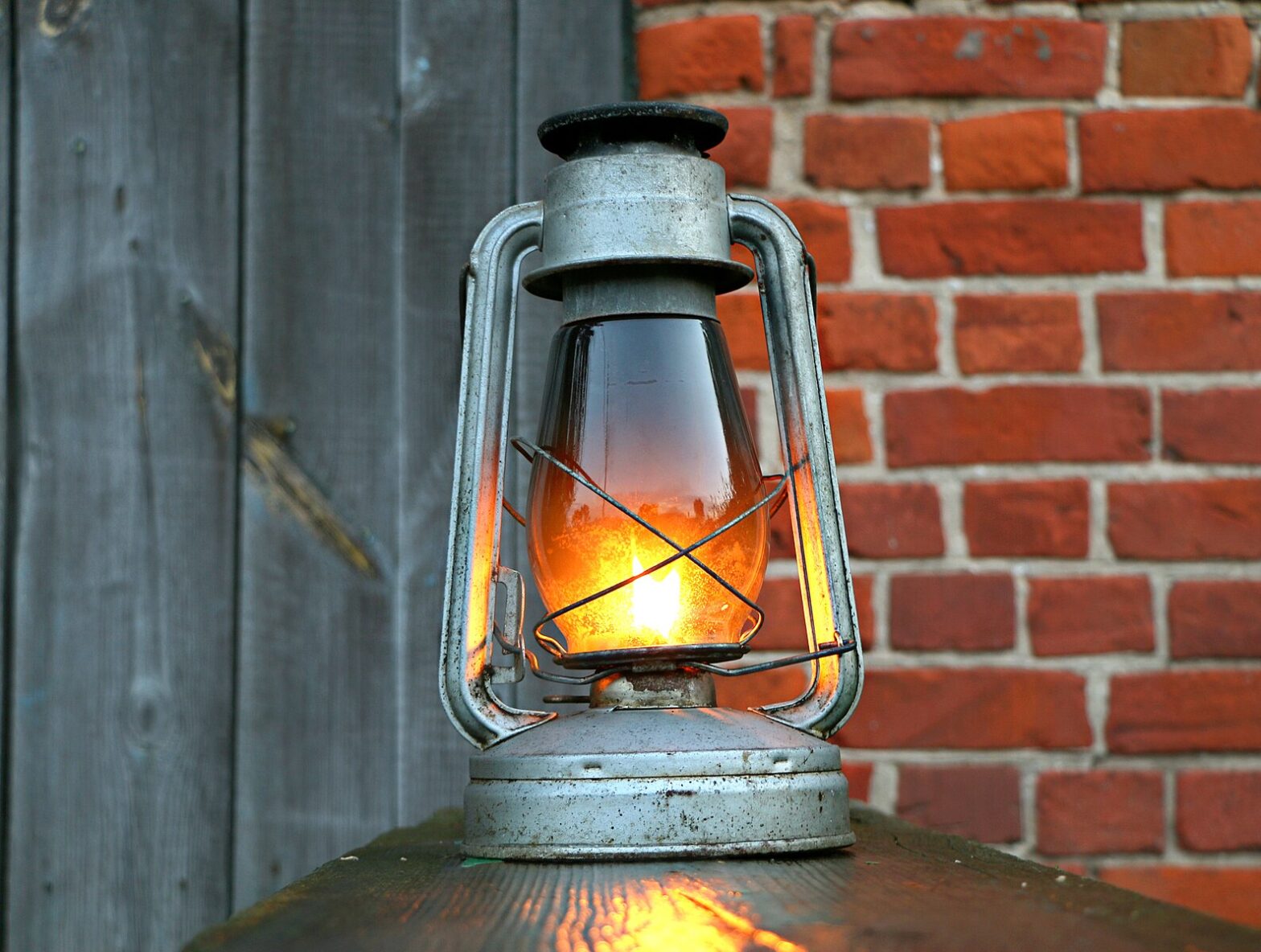
Kerosene_lamp_1930

Kerosene, or paraffin, is a combustible liquid derived from petroleum. Its discovery is generally attributed to Canadian geologist Abraham Gesner who distilled kerosene from bituminous coal and oil shale in 1846. To obtain kerosene distilled from oil, however, one has to wait a few years and travel to the other side of the world: to… Continue reading The Habsburg origins of the kerosene lamp